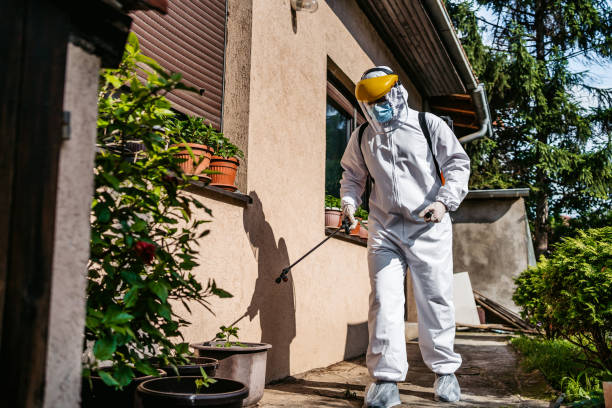
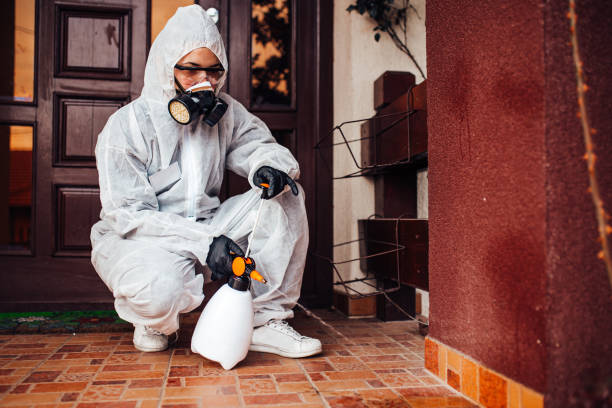
Protecting your home from pests starts with understanding how to identify them. Household pests can cause significant damage to property, harm your health, and disrupt daily life when left unchecked. To maintain a pest-free home, it’s essential to recognize early signs of their presence and take preventive measures.
Steps to Identify Common Household Pests
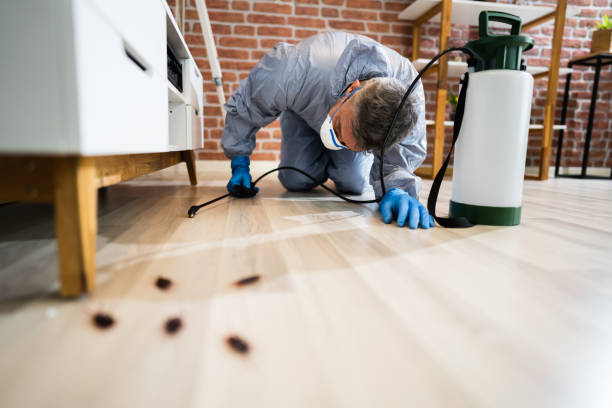
- Look for droppings: Rodents leave small, dark pellets, while cockroaches may leave black specks resembling ground pepper.
- Check for gnaw marks or chewed surfaces: Rodents often chew on wires, wood, or plastic.
- Inspect for discarded wings: Termites or flying ants may leave behind wings near windowsills or doorways.
- Note physical sightings of pests: Look for insects such as ants trailing along walls or spiders in hidden corners.
- Listen for scratching noises in walls or ceilings, which often indicate rodents like mice or squirrels.
- Chirping or clicking sounds at night may signal the presence of crickets or other insects.
- A musty smell might indicate mold caused by termite activity.
- A strong, foul odor in certain areas could suggest a rodent infestation.
- Look for holes in baseboards, walls, or floors where pests may enter.
- Check wooden furniture and beams for signs of hollowed areas caused by termites.
Ways to Protect Your Home
- Seal Entry Points
Use caulk or weather stripping to close off gaps around windows, doors, and utility openings where pests can enter. - Maintain Cleanliness
Regularly clean floors and countertops to remove crumbs that attract ants and cockroaches. Pay special attention to the kitchen as it is a common hotspot for pest activity. - Store Food Properly
Keep all food items in airtight containers and promptly refrigerate leftovers. Avoid leaving pet food out overnight. - Reduce Moisture Sources
Fix leaky pipes and drains quickly since moisture attracts termites and other bugs that thrive in damp conditions. - Declutter Regularly
Piles of newspapers, cardboard boxes, and clutter provide nesting places for pests like rodents. Organize storage spaces to minimize hiding spots.
Table: Common Pests vs Prevention Tactics
| Pest | Typical Signs | Prevention Tips |
| Ants | Trails on walls/floors | Seal cracks; remove sticky residues |
| Cockroaches | Droppings; egg casings | Maintain cleanliness; use bait traps |
| Termites | Hollowed wood; mud tubes | Reduce moisture; schedule regular inspections |
| Mice/Rats | Droppings; gnaw marks | Seal entry points; use snap traps |
Regular Monitoring
Conduct routine inspections around trouble-prone areas like basements, attics, kitchens, and bathrooms. Seasonal changes often bring new pest challenges—spring may see ant invasions while colder months could drive rodents indoors seeking warmth.
By staying vigilant about identifying pests early on and implementing these protective strategies consistently throughout the year, you can ensure your home remains safe from unwanted invaders without reliance on harsh chemicals or expensive solutions.
Effective Pest Control Tips from an Exterminator Deltona FL Residents Trust
Household pests can cause a range of issues, from minor nuisances to significant health risks and structural damage. Understanding the most common household pests and how to effectively manage them is crucial for maintaining a safe and healthy home environment. Below is a detailed overview of some frequently encountered pests, their behaviors, potential risks, and effective methods for control.
1. Ants
Ants are social insects that invade homes in search of food and water. Common species include carpenter ants, odorous house ants, and pavement ants.
Signs of Ant Infestation:
– Trails of ants leading to food sources
– Small piles of dirt or sawdust indicating nesting areas
– Presence around kitchen counters, sinks, or near pet food
How to Deal With Ants:
– Prevention: Seal cracks in walls and foundations. Store food in airtight containers. Keep countertops clean from crumbs or spills. – Natural Remedies: Use vinegar sprays or lemon juice around entry points. – Chemical Solutions: Bait traps are effective for colony elimination. Apply ant-specific insecticides carefully along baseboards or entry sites.
2. Cockroaches
Cockroaches are notorious for spreading diseases as they contaminate surfaces with bacteria like Salmonella and E. coli.
Signs of Cockroach Infestation:
– Sightings during the night (they are nocturnal)
– Foul odor from cockroach pheromones
– Droppings resembling small black pepper grains
How to Deal With Cockroaches:
– Prevention: Fix leaky pipes; roaches thrive in damp environments. Regularly clean behind appliances such as refrigerators and stoves. – Traps & Baits: Adhesive traps can monitor infestations while gel baits target populations effectively. – Professional Help: Severe infestations may require pest control professionals for fumigation.
3. Rodents (Mice & Rats)
Rodents can chew through wires, leading to fire hazards, and spread diseases such as hantavirus or leptospirosis.
Signs of Rodent Infestation:
– Gnaw marks on furniture or walls – Droppings near food storage or along baseboards – Scratching noises from attics or inside walls
| Rodent Control Methods | Description | Suitable For |
| Snap Traps | Quick extermination method | Small-scale infestations |
| Ultrasonic Devices | Emits sound waves to deter rodents | Preventative measures |
| Sealing Entry Points | Closing gaps larger than ¼ inch | Long-term rodent prevention |
4. Spiders
While many spiders are harmless, certain species such as black widows or brown recluse spiders pose health risks due to venomous bites.
Signs of Spider Infestation:
– Presence of webs in corners, ceilings, basements – Shed spider skins (exuviae) found nearby webs – Increased number of insects (a spider’s primary food source)
How to Deal With Spiders:
1. Vacuum regularly around windowsills and ceilings where webs form. 2. Remove clutter like boxes where spiders may hide. 3. Use natural deterrents like essential oils (peppermint oil works well).
5. Termites
Termites silently destroy wood structures by feeding on cellulose materials within homes—often going unnoticed until extensive damage occurs.
| Key Indicators | Description |
| Mud Tubes | Thin tunnels along walls/foundations |
| Hollow-Sounding Wood | Resulting from internal consumption |
| Discarded Wings | Found near windowsills after swarmers |
Management Options: 1. Employ liquid termite barriers around foundations. 2. Install bait systems—these disrupt colony growth over time. 3. Seek professional treatment for widespread infestation concerns.
Effective pest management begins with vigilant monitoring and prompt action tailored specifically for the pest type affecting your home environment.
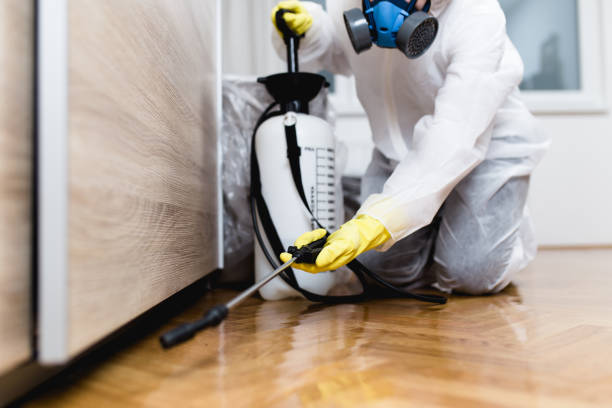
Effective Solutions from a Deltona FL Pest Control Company for Common Household Pests
Dealing with household pests is an inevitable challenge for homeowners, as these intruders can cause significant damage, pose health risks, and disrupt daily routines. Below is a breakdown of common household pests, their characteristics, and effective strategies for managing them.
1. Cockroaches
Cockroaches are among the most resilient pests found in homes. They thrive in warm, humid environments and can spread harmful bacteria.
Signs of Cockroach Infestation: – Droppings resembling black pepper or coffee grounds. – Musty odor. – Shed skins or dead cockroaches.
How to Manage Them: – Sanitation: Keep surfaces clean and free from crumbs or spills. – Sealing Entry Points: Seal cracks around doors, windows, and plumbing fixtures. – Baits & Traps: Use gel baits or adhesive traps strategically in kitchens and bathrooms.
| Recommended Methods | Effectiveness |
| Gel Baits | High |
| Adhesive Traps | Moderate |
| Natural Remedies (e.g., boric acid) | Moderate |
2. Ants
Ant infestations are common due to the pests’ tendency to forage for food indoors. Different species may require different control methods.
Signs of Ant Infestation: – Trails of ants near food sources. – Small mounds of soil near windows or doors (indicating nests).
How to Manage Them: – Locate & Eliminate Nests: Identify the source by following ant trails back to their colony. – Natural Deterrents: Sprinkle cinnamon or vinegar at entry points to deter ants naturally. – Chemical Treatments: Use ant baits that workers carry back to their nest.
3. Rodents (Mice & Rats)
Rodents are highly destructive pests that contaminate food supplies and gnaw on materials like insulation or wiring.
Signs of Rodent Infestation: – Droppings resembling small pellets. – Gnaw marks on furniture or walls. – Scratching sounds inside walls at night.
How to Manage Them: 1. Seal Holes & Gaps: Inspect your home’s foundation for openings larger than ¼ inch; seal them with steel wool or caulk. 2. Traps: Use snap traps for quick results or humane traps if relocation is preferred. 3. Prevent Access: Store food in airtight containers and clean up pet food immediately after feeding times.
4. Termites
Termites can cause severe structural damage by feeding on wood materials within a home.
Signs of Termite Activity: – Hollow-sounding wood when tapped. – Mud tubes along walls or wooden structures.
How to Manage Them: 1. Regular inspections by licensed pest control professionals can detect infestations early. 2. Treat foundations with liquid termiticides. 3. Install bait stations around your home’s perimeter as a preventive measure.
Quick Reference Table for Common Pests
| Pest Type | Preferred Environment | Primary Control Method |
| Cockroaches | Warm, damp areas | Gel baits & sanitation |
| Ants | Near food sources & water | Bait stations |
| Rodents | Dark spaces close to food | Sealing gaps, traps |
| Termites | Wood structures | Professional treatments |
Addressing pest problems promptly not only protects your household but also minimizes health risks associated with these unwelcome visitors. Effective pest management requires diligence, preventive measures, and sometimes professional assistance where infestations persist beyond DIY solutions.
Effective Pest Removal Deltona, FL: Understanding Behavior and Habitats
Effectively managing pests begins with understanding their behavior and preferred habitats. Different pests exhibit unique patterns of activity, feeding preferences, and sheltering needs. By recognizing these factors, homeowners can implement targeted strategies to prevent infestations and protect their living spaces. Contact https://deltonapestcontrol.org for professional pest control solutions in Deltona, FL.
Key Factors That Influence Pest Behavior
- Seasonal Changes: Many pests are more active during specific seasons. For example:
- Ants often invade homes in search of food during warmer months.
- Rodents such as mice and rats seek shelter indoors during colder weather.
- Food Sources: Pests are drawn to areas where food is easily accessible. Common attractants include:
- Unsealed pantry items like grains or cereal.
- Food crumbs left on counters or floors.
- Moisture Levels: Water is essential for many pests, making damp environments particularly attractive. Problem areas often include:
- Leaky pipes under sinks.
- Basements with poor ventilation.
- Shelter Needs: Pests require safe spaces to breed and hide from predators. Examples include:
- Cluttered attics or storage rooms.
- Cracks in walls or foundations.
Common Pest Habitats Inside the Home
| Pest Type | Preferred Habitat | Common Signs |
| Cockroaches | Warm, dark, and humid areas | Droppings, egg casings |
| Ants | Kitchens, near food sources | Trails of ants, small mounds near walls |
| Rodents (mice/rats) | Walls, basements, attics | Droppings, gnaw marks |
| Spiders | Corners of ceilings, storage spaces | Webs in corners or furniture |
| Silverfish | Bathrooms, basements | Paper damage (books/documents), sightings |
Outdoor Environments That Attract Pests
- Gardens and Landscaping Areas
Overgrown vegetation provides cover for insects like mosquitoes and ticks. - Standing Water
Stagnant water in gutters or birdbaths attracts mosquitoes. - Woodpiles Near the Home
Stacked wood can harbor termites and rodents. - Garbage Areas
Poorly sealed trash bins attract flies, rodents, and raccoons.
Proactive Tips for Managing Pest Habitats
- Keep kitchens clean by wiping down surfaces daily.
- Store food in sealed containers to deter ants and rodents.
- Repair leaks promptly to eliminate moisture sources.
- Declutter storage areas regularly to reduce hiding spots for pests.
- Seal cracks or gaps around doors and windows to block entry points.
Pest management starts with a clear understanding of what attracts them into your living spaces. Identifying potential problem areas allows homeowners to take effective preventive measures tailored to different pest species’ behaviors and habitat preferences.
Safe and Effective Ways to Manage Pests in Livestock Areas
Managing pests in livestock areas is crucial for maintaining animal health, ensuring productivity, and reducing economic losses. Pests such as flies, mites, ticks, and rodents can carry diseases, contaminate feed, and cause discomfort to animals. By adopting safe and effective pest control practices, farmers can protect their livestock while ensuring compliance with environmental and health standards.
Common Livestock Pests and Their Impact
- Species: Houseflies, stable flies, horn flies.
- Impact: Flies are vectors of diseases such as mastitis, pinkeye (infectious bovine keratoconjunctivitis), and diarrhea. They also irritate animals, causing stress that may reduce milk production or weight gain.
- Species: Northern fowl mites (poultry), cattle ticks, sheep scab mites.
- Impact: These parasites feed on blood or skin tissues of animals, leading to anemia, irritation, reduced growth rates, or even disease transmission.
- Impact: Rodents consume significant amounts of stored feed and contaminate it with droppings or urine. They may also damage infrastructure by gnawing on wires or wooden structures.
- Impact: Infestations cause itching, hair loss, reduced weight gain in livestock due to constant irritation.
Effective Pest Management Strategies
Farmers should take a multi-faceted approach to pest management in order to minimize infestations while protecting the environment and their animals’ welfare.
- Sanitation Practices
Keeping livestock areas clean reduces the breeding grounds for pests: - Remove manure regularly since it serves as a breeding site for flies.
- Store feed securely in rodent-proof containers.
- Eliminate standing water where mosquitoes may breed.
- Biological Control Methods
Utilizing natural predators can help control pest populations without chemicals: - Introduce beneficial insects like parasitic wasps that target fly larvae.
- Use biological larvicides (e.g., Bacillus thuringiensis) in water troughs to prevent mosquito breeding.
- Chemical Interventions (Used Cautiously)
When necessary: - Apply pesticides approved specifically for use around livestock.
- Rotate chemical classes periodically to reduce resistance development among pests.
- Physical Barriers & Traps
Employ non-toxic methods such as: - Sticky traps for flies around barns.
- Tick collars or treated ear tags for individual animals.
- Integrated Pest Management (IPM) Systems
IPM combines cultural practices with biological controls and limited pesticide use: | Component | Example | |—————————|——————————–| | Monitoring | Regularly inspect pest levels | | Targeted Control Measures | Treat hotspots only | | Threshold Assessment | Act when population exceeds acceptable levels |
Safety Considerations When Managing Pests
- Always follow product labels when applying pesticides near livestock areas to avoid contamination of food sources or water supplies.
- Opt for eco-friendly pest control methods whenever possible to prevent harm to non-target species like pollinators.
- Provide proper ventilation during treatment applications in enclosed spaces like barns.
By combining preventive measures with targeted interventions tailored to specific pests affecting their operations, farmers can maintain healthier environments for their livestock while reducing long-term management costs.
Pros and Cons of Using Adhesive-Based Cockroach Traps for Pest Control
Adhesive-based cockroach traps, often referred to as glue traps, are among the simplest and most accessible tools for addressing cockroach infestations. However, they may not be the best solution in every scenario. Below is a detailed examination of their advantages and drawbacks to help you decide if they are suitable for your pest control needs.
Advantages of Adhesive-Based Cockroach Traps
- Glue traps are straightforward to use. Simply place them in areas where cockroaches are active, such as along walls, under appliances, or near plumbing fixtures.
- No special tools or expertise is required for setup.
- These traps do not contain harmful chemicals, making them an excellent choice for households with children or pets.
- They reduce the risk of accidental exposure compared to chemical sprays or baits.
- Adhesive traps can provide valuable insight into the severity and location of infestations by showing where cockroaches are being caught most frequently.
- This information can guide targeted pest control measures.
- Glue traps are relatively inexpensive compared to other pest control methods like professional extermination services or advanced baiting systems.
- These traps begin working as soon as they are deployed, capturing cockroaches that come into contact with the adhesive surface.
Disadvantages of Adhesive-Based Cockroach Traps
- Glue traps only capture pests that physically encounter them and will not address hidden nests or broader infestations effectively.
- While these traps can reduce localized populations, they do little to eliminate eggs or breeding sites, allowing infestations to persist over time if underlying issues aren’t addressed.
- Adhesive surfaces lose effectiveness once filled with pests or debris, requiring frequent replacement in high-traffic areas.
- In cases of severe infestations, glue traps alone may be insufficient and need to be combined with other methods such as professional extermination or integrated pest management (IPM).
- Seeing trapped pests can be unpleasant for some homeowners, especially when placed in visible areas like kitchens or bathrooms.
Best Practices When Using Glue Traps
- Place them strategically in areas prone to activity: under sinks, behind refrigerators, near trash bins, and along baseboards.
- Inspect the traps regularly to monitor pest numbers and replace them as needed.
- Combine their use with other pest control strategies like sealing entry points (cracks and gaps) and maintaining cleanliness by removing food crumbs and standing water sources.
- If using adhesive-based traps outdoors (e.g., around crawl spaces), ensure they remain dry to prevent reduced adhesion due to moisture exposure.
| Factors | Glue Traps | Chemical Sprays | Bait Stations | Professional Services |
| Ease of Use | High | Medium | Medium | Low |
| Cost | Low | Medium | Medium | High |
| Non-Toxic Option | Yes | No | Sometimes | Sometimes |
| Long-Term Effectiveness | Low | Medium | High | High |
Understanding both the strengths and limitations of adhesive-based cockroach traps will allow you to make informed decisions about incorporating them into your overall pest management strategy.
How Landscaping Choices Can Influence Ant Problems in Your Yard
The landscaping design of your yard can play a significant role in attracting or deterring ants. While these tiny insects are a natural part of the ecosystem, an ant infestation in your yard can quickly spread into your home, making it essential to consider how your landscaping choices may be inviting them. Here is a detailed look at how specific landscaping decisions can impact ant activity and practical steps to make your yard less appealing to them.
Common Landscaping Features That Attract Ants
- Moisture-retaining features: Overwatered lawns, poorly draining soil, and water features like fountains or birdbaths provide ideal moisture levels for ants.
- Mulch beds: Mulch retains moisture and offers shelter for ants, creating a prime environment for nesting.
- Dense vegetation: Overgrown shrubs, ground cover plants, and ivy provide shade and shelter that ants use as protection.
- Rotting wood or logs: Decaying wood attracts carpenter ants specifically and provides easy nesting locations.
- Unmanaged food sources: Fallen fruits from trees or improperly disposed organic waste can serve as attractants for several ant species.
Landscaping Practices That Can Deter Ants
- Grade your lawn to prevent standing water after rainfall or irrigation.
- Use well-draining soil when planting flower beds or shrubs.
- Keep mulch layers thin (no more than 2 inches).
- Maintain at least an 18-inch gap between mulch beds and the foundation of your home.
- Some plants naturally deter ants due to their strong scent, such as lavender, mint, marigolds, and tansy.
- Avoid letting branches or vines touch exterior walls of your house; these act as bridges for ants to enter.
- Clear away old stumps, fallen branches, and any rotting wood from the yard.
- Pick up fallen fruit from trees promptly.
- Securely cover compost bins if used in the garden.
Table Comparing Landscaping Choices
| Landscaping Feature | Impact on Ant Presence | Recommendation |
| Thick mulch near home | Attracts ants | Keep mulch thin (≤ 2 inches) & away from house foundation |
| Standing water | Provides moisture | Ensure proper grading/drainage |
| Dense ground cover | Offers shelter | Trim overgrown vegetation |
| Rotting wood | Ideal nesting location | Remove promptly |
| Fruit trees | Food source | Clean up fallen fruit |
Integrated Pest Management (IPM) Strategies
- Periodically inspect high-risk areas like mulch beds and tree bases for signs of ant activity.
- Use physical barriers such as gravel borders around buildings to limit movement between outdoor nests and indoor spaces.
- Apply eco-friendly insecticides sparingly around heavily infested zones if necessary.
By understanding how certain aspects of landscape design influence ant behavior, you can make informed decisions that not only enhance the visual appeal of your yard but also minimize pest problems on your property effectively through thoughtful planning.
- Termite Control for Luxury Homes in Deltona, FL: Protecting Lakefront Living from Silent Threats
- Effective Deltona Pest Control Tips to Prevent Your Home From Rodent Infestations
- Effective Deltona Pest Control Tips to Prevent Rodent Infestations and Protect Your Home
- Preparing Your Home for a Visit from an Exterminator Deltona FL
- Effective Tips to Prepare Your Home for Deltona Pest Control Treatment
- Effective Pest Identification: How an Exterminator in Deltona FL Can Help with 7 Common Household Invaders
- Effective Deltona Pest Control Tips to Protect Your Home from Common Household Pests
- Choosing the Best Deltona FL Pest Control Company for Effective Solutions