
Rodents are persistent pests that can invade your home, causing structural damage, spreading diseases, and contaminating food supplies. Proactively preventing a rodent infestation is essential to maintaining a safe and healthy living environment.
Identify Potential Entry Points
Rodents can squeeze through remarkably small openings to gain access to your home. Inspect both the interior and exterior of your property for potential entry points. Pay particular attention to:
– Cracks in walls or foundations
– Gaps around windows, doors, and utility lines
– Spaces around vents or chimneys
Seal any openings you find using durable materials like steel wool, caulk, or metal mesh. For larger gaps, expanding foam or hardware cloth may also be effective.
Proper Food Storage
One of the primary attractants for rodents is an easily accessible food supply. To discourage pests:
– Store pantry items in airtight containers made of glass or heavy-duty plastic.
– Avoid leaving pet food out overnight.
– Promptly clean up crumbs and spills from countertops or floors after meals.
By limiting food availability, you make your home less appealing to rodents.
Maintain a Clean Living Space
A cluttered or dirty environment serves as a perfect nesting ground for rodents. Implement these practices regularly:
– Vacuum and sweep floors frequently to eliminate debris.
– Keep garbage cans sealed with tight-fitting lids.
– Declutter storage areas like basements, attics, and garages where rodents tend to hide.
Removing hiding places reduces the likelihood of an infestation taking root.
Landscaping Tips for Rodent Prevention
The condition of your yard can impact pest activity inside your home. Consider these landscaping adjustments to make your property less hospitable:
| Landscaping Practice | Benefit |
|——————————-|———————————————–|
| Trim tree branches away from rooflines | Prevents rodents from accessing your attic |
| Clear overgrown vegetation | Reduces hiding spots near the foundation |
| Remove fallen fruits/seeds | Eliminates potential food sources |
| Stack firewood away from walls | Limits rodent nesting opportunities |
Maintaining proper outdoor hygiene is just as critical as indoor maintenance when it comes to keeping pests at bay.
Schedule Regular Inspections
Even with preventive measures in place, it’s wise to conduct regular inspections for signs of rodent activity such as droppings, gnaw marks, or grease trails along walls. Early detection allows you to address potential problems before they escalate into full-blown infestations.
By taking proactive steps like sealing entry points, securing food sources, maintaining cleanliness indoors and outdoors, and staying vigilant for warning signs of activity, you can effectively prevent rodents from invading your space while protecting your home from damage and health risks associated with these pests.
Effective Tips from an Exterminator Deltona FL to Keep Your Home Rodent-Free
Rodents can pose serious health and property risks if they invade your home. By implementing a proactive approach, you can keep your home rodent-free while ensuring the safety of your family and belongings. Below are four practical and effective methods to deter rodents from entering your space.
1. Seal Entry Points
- Inspect Your Home Regularly: Check the foundation, rooflines, windows, doors, utility pipes, and vents for gaps or cracks.
- Use Durable Materials for Repairs: Cover small holes with caulk or steel wool, as rodents cannot chew through these materials. For larger gaps, use hardware cloth or metal sheeting.
- Install Door Sweeps: Ensure all exterior doors are tightly sealed by installing door sweeps at the base to close off any potential access points.
| Common Entry Points | Recommended Solution |
| Cracks in Walls | Caulk or expanding foam |
| Gaps under Doors | Door sweeps |
| Open Utility Pipes | Steel wool or wire mesh |
2. Practice Proper Food Storage
- Store dry goods like rice, cereal, and pet food in airtight containers made of glass or heavy-duty plastic.
- Keep countertops free of crumbs or residue by cleaning up after cooking or eating immediately.
- Avoid leaving pet food out overnight as it attracts pests.
- Dispose of garbage regularly in sealed bins that cannot be tipped over by rodents.
3. Maintain a Clean and Organized Space
- Declutter Storage Areas: Keep attics, basements, garages, and storage rooms neat and organized by storing items in sealed containers instead of cardboard boxes (which rodents can chew).
- Trim Outdoor Vegetation: Maintain a clear perimeter around your home by trimming tree branches and shrubs that could provide easy access to your roof or windows.
- Vacuum Regularly: Vacuum carpets and clean behind furniture where crumbs might accumulate unnoticed.
4. Use Rodent Deterrents
- Natural Deterrents: Use peppermint oil or clove oil around doorways and suspected entry points; both scents are unpleasant to rodents.
- Electronic Devices: Ultrasonic repellents emit high-frequency sounds that discourage rodents from entering specific areas.
- Trapping Methods: Traditional snap traps or enclosed bait stations can help control small infestations when placed near active areas like along walls.
- Professional Services: If prevention methods fail, consider hiring a pest control expert who specializes in rodent exclusion techniques.
By adopting these strategies consistently, you’ll significantly reduce the likelihood of a rodent infestation in your home while creating an environment that is clean, safe, and unappealing to pests.
Effective Tips from a Deltona FL Pest Control Company to Repair Holes and Seal Entry Points
Rodents and pests often gain access to homes through small cracks, holes, or gaps in walls, floors, doors, and windows. Addressing these vulnerabilities is a crucial step in preventing pest infestations. Below are detailed steps and recommendations to help you repair holes and seal entry points effectively.
1. Inspect Your Home for Vulnerabilities
- Check the exterior: Inspect the foundation, walls, roofline, and areas around doors or windows for visible openings.
- Look under sinks: Pipes are common entry points for rodents; inspect areas where pipes enter cabinets or walls.
- Inspect vents and utility lines: Look for gaps around HVAC vents, dryer exhausts, electrical wiring, and gas lines leading into your home.
- Don’t forget basements & attics: These spaces often have hidden cracks that can serve as pest highways.
2. Gather the Right Tools and Materials
| Material/Tool | Purpose |
| Caulk | Sealing small gaps around windows, doors, and other fixed elements |
| Steel wool | Blocking rodent access (cannot be chewed through by mice or rats) |
| Expanding foam | Filling larger gaps in walls or pipes |
| Weatherstripping | Closing gaps around movable elements such as doors and windows |
| Hardware mesh | Covering vents or larger openings |
| Putty knife | Smoothing caulk or applying patching material |
3. Repair Small Holes (Under ¼ Inch)
Small cracks are often overlooked but can still allow entry for insects like ants or spiders.
- Clean out debris from the crack using a brush or vacuum cleaner.
- Apply silicone caulk along the crevice to create an airtight seal.
- Smooth out the caulk with a putty knife for a professional finish.
4. Seal Larger Gaps (Over ¼ Inch)
- Fill the opening with steel wool as a base barrier—mice cannot chew through it.
- Use expanding foam insulation over steel wool to completely seal off airflow.
- For structural repairs (like damaged drywall), patch holes using plaster or wood filler.
5. Install Weatherstripping on Doors & Windows
- Measure your door sill width accurately before purchasing weatherstripping materials.
- Secure adhesive-backed weatherstrips along door frames.
- For larger under-door gaps (greater than ½ inch), install a durable door sweep at the base.
6. Cover Vents with Hardware Mesh
- Cut hardware cloth/mesh to size using tin snips.
- Secure tightly over vent openings with screws or nails.
- Ensure that any overlapping areas are sealed with staples.
Benefits of Sealing Entry Points
- Reduces energy bills by minimizing drafts from air leaks.
- Prevents water damage caused by moisture seepage into unsealed cracks.
- Enhances overall structural integrity of your home over time.
By following these steps thoroughly, you can create an effective barrier against pests while safeguarding your property against additional risks such as water damage or energy loss caused by air leakage through small openings in your home’s structure.
Effective Steps for Pest Removal Deltona, FL: Fixing Holes and Sealing Entry Points
Keeping your home free from pests begins with addressing the areas where they can enter. Rodents, insects, and other pests often gain access to homes through small cracks, unsealed gaps, or damaged materials. By identifying and sealing these vulnerabilities, you can significantly reduce the likelihood of an infestation. Here’s a step-by-step guide to repairing holes and sealing entry points effectively.
1. Identify Common Pest Entry Points
- Doors and Windows: Look for gaps around frames or damaged weatherstripping.
- Foundation Cracks: Small fissures in foundations provide easy access for rodents and insects.
- Walls: Check for gaps around utility pipes, cables, or vents that penetrate exterior walls.
- Roofing: Inspect for damage where the roof meets walls or around chimneys and vents.
- Basements and Crawl Spaces: Monitor these areas for cracks or openings near ground level.
2. Tools You’ll Need for Repairs
| Tool/Material | Purpose |
| Caulk Gun & Silicone Caulk | Sealing small cracks in walls, windows, or doors |
| Steel Wool | Filling gaps where rodents may chew through other materials |
| Expanding Foam Spray | Filling larger holes in walls or foundations |
| Wire Mesh | Blocking ventilation openings while maintaining airflow |
| Screwdriver/Drill | Securing loose panels or fixing gaps in door and window frames |
3. Seal Small Cracks with Caulk
For smaller cracks (up to ¼ inch wide), silicone caulk is highly effective due to its flexibility and durability against weather changes.
- Clean the area around the crack to remove debris or dirt.
- Load silicone caulk into a caulking gun.
- Apply a steady bead of caulk along the crack.
- Smooth it out with your finger or a caulking tool for a neat finish.
4. Fill Larger Holes with Foam or Wire Mesh
Larger holes require sturdier solutions such as expanding foam combined with wire mesh.
- Insert wire mesh into large gaps before applying spray foam to prevent rodents from gnawing through it.
- Use expanding foam spray over the mesh until the hole is completely filled.
- Allow it to cure as per manufacturer instructions before trimming any excess material.
5. Install Door Sweeps and Weatherstripping
Gaps beneath doors are often ignored but can act as an easy entry point for pests.
- Install door sweeps at the base of doors leading outside.
- Replace worn-out weatherstripping around windows and doors.
Additional Tips for Long-Term Protection
- Inspect Regularly: Schedule seasonal inspections of your property’s exterior for new cracks or potential vulnerabilities.
- Use Rodent-Proof Materials: Some pests chew through wood, plastic, or soft materials easily; opt for metal-based solutions when possible.
- Maintain Proper Drainage: Ensure gutters direct water away from your foundation since excess moisture attracts pests such as termites.
By repairing holes promptly and sealing all possible entry points, you not only protect your home from infestations but also improve its overall structural integrity while promoting a healthier living space for you and your family.
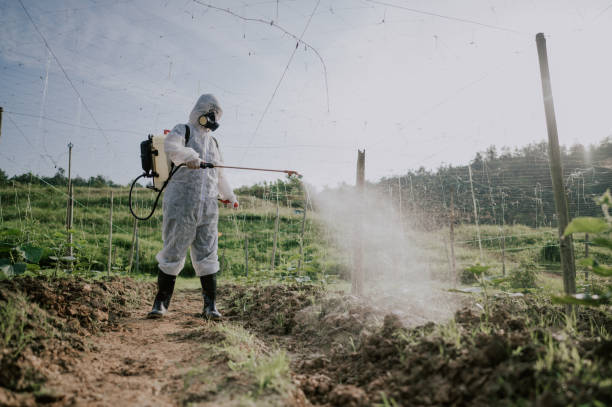
How to Look, Listen, and Smell for Signs of Pest Problems in Your Home
Detecting a pest problem early is crucial to mitigating the damage and preventing further infestations. By using your senses—sight, hearing, and smell—you can identify potential issues before they escalate. Below are methods to effectively look, listen, and smell for signs of pests in your home.
1. Visual Indicators of Pest Activity
- Rodents: Look for small pellets concentrated in dark corners, pantries, or near food storage areas.
- Cockroaches: Fecal spotting that resembles ground pepper or coffee grounds near crevices or baseboards.
- Mice and rats chew on wood, electrical wiring, and food packaging. Check cupboards, attic spaces, and furniture edges for bite marks.
- Holes in walls or ripped insulation may indicate rodents. Termites often leave hollowed wood with a blistered appearance.
- Rodents follow consistent paths along walls leaving greasy smudges or dirt trails over time.
- Swarms of termites often shed their wings near window sills or light sources after mating.
Use a flashlight to inspect under appliances, inside cabinets, and along baseboards where pests typically hide.
2. Sounds That Signal Pests are Nearby
- Scratching Noises: Typically heard at night from walls, ceilings, or attics due to nocturnal rodents like mice and rats scavenging for food.
- Buzzing Sounds: Indicates the presence of flying insects such as wasps or bees inside your home’s walls or attic.
- Rustling Sounds: Could suggest larger pests like squirrels moving through insulation material in attics.
Tip: Place your ear near suspected areas during quiet hours to better detect these noises.
3. Odors That Hint at Infestations
| Pest Type | Common Odor Descriptions | Possible Causes |
| Rodents | Strong musky odor | Urine markings in hidden areas |
| Cockroaches | Oily smell akin to soy sauce | Accumulation of roach pheromones |
| Bed Bugs | Sweet yet musty scent | Pheromones released by bed bugs |
| Ants | Slight vinegar-like smell (from certain species like odorous house ants) | Secretion from ant colonies |
If you notice persistent unusual odors without an obvious source (such as spoiled food), it could indicate a hidden infestation.
Proactive Steps After Detection
- Confirm Your Observations: Use traps or sticky pads near suspect areas to confirm pest presence.
- Inspect Entry Points: Look for gaps around doors/windows and seal them immediately.
- Engage Professional Services: If the problem appears extensive (e.g., structural damage), contact a licensed pest control professional for an inspection.
Regularly using your senses—looking carefully for visual evidence, listening closely during quiet times in the home, and noting any strange odors—can help keep your living space free from unwanted intruders while ensuring peace of mind year-round.
Top Reasons You Might Have an Ant Infestation and How to Handle It
Ant infestations can be a frustrating problem for homeowners. These tiny pests are highly organized and persistent, often finding their way into your home in search of food, water, or shelter. Understanding why ants invade and how to effectively address the issue is crucial to maintaining a pest-free environment. Below, we explore common causes of ant infestations and practical steps to manage them.
Reasons Why You Have an Ant Infestation
- Ants are attracted to food crumbs, spills, or improperly stored items. Leftover food on counters or unsealed containers can quickly draw their attention.
- Sweet foods like sugar and syrup are especially enticing for ants.
- Leaky pipes, faucets, or damp areas in bathrooms and kitchens provide a reliable water source for ants.
- Condensation around windows or poorly ventilated areas can also contribute to their presence.
- Cracks in walls, gaps beneath doors, or poorly sealed windows give ants easy access to your home.
- Overhanging tree branches touching the house can serve as bridges for ants.
- Ant colonies located close to your property increase the likelihood of infestation indoors.
- Gardens with mulch or debris piles near foundations often harbor ant nests.
1. Eliminate Food Sources
- Clean up spills and crumbs immediately after meals.
- Store food in airtight containers made of glass or heavy-duty plastic that ants cannot penetrate.
- Regularly clean countertops, floors, and other surfaces where food residue may collect.
2. Address Moisture Problems
- Fix leaky pipes and faucets promptly to remove water sources that attract ants.
- Use a dehumidifier in damp areas such as basements or laundry rooms if necessary.
3. Seal Entry Points
- Inspect your home thoroughly for cracks and gaps in walls, doors, windows, and flooring.
- Use silicone caulk or weatherstripping materials to seal any openings discovered during inspections.
- Trim tree branches that touch the exterior of your home to reduce access pathways for ants.
4. Use Natural Repellents
- Sprinkle cinnamon, coffee grounds, or citrus peels near entry points as natural deterrents against ants.
- Vinegar solutions (equal parts vinegar and water) can be sprayed along ant trails indoors.
5. Apply Chemical Solutions (If Necessary)
For severe infestations:
| Type | Usage | Notes | |—————–|—————————————–|————————————-| | Ant Baits | Place near trails where activity is high.| Allow time; bait takes effect gradually.| | Insecticidal Sprays | Spray along baseboards & entry points.| Avoid excessive use; keep away from pets/kids.|
Preventing Future Infestations
- Practice proper sanitation habits consistently at home.
- Inspect your property frequently for signs of pest activity.
- Consider professional pest control services if you continue experiencing recurring ant issues despite taking preventive measures.
Proactively managing factors that attract ants will help you maintain a pest-free living environment while reducing stress caused by infestations over time.
- Termite Control for Luxury Homes in Deltona, FL: Protecting Lakefront Living from Silent Threats
- Effective Deltona Pest Control Tips to Prevent Your Home From Rodent Infestations
- Effective Deltona Pest Control Tips to Prevent Rodent Infestations and Protect Your Home
- Preparing Your Home for a Visit from an Exterminator Deltona FL
- Effective Tips to Prepare Your Home for Deltona Pest Control Treatment
- Effective Pest Identification: How an Exterminator in Deltona FL Can Help with 7 Common Household Invaders
- Effective Deltona Pest Control Tips to Protect Your Home from Common Household Pests
- Choosing the Best Deltona FL Pest Control Company for Effective Solutions