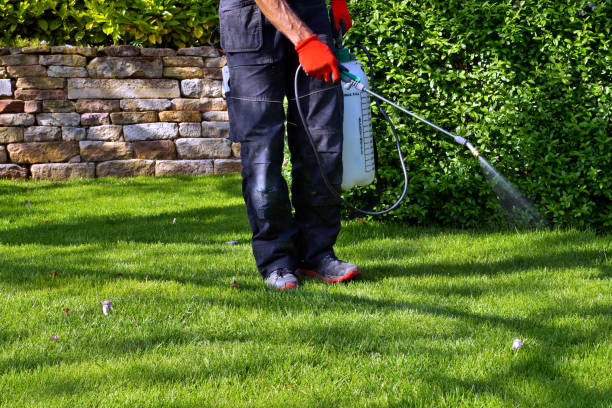
Integrated Pest Management (IPM) is a holistic approach to controlling pest populations by combining cultural, biological, physical, and chemical strategies. At its core, pest prevention is the primary principle that drives IPM practices. Preventing pests before they become a problem not only minimizes damage but also reduces reliance on chemical interventions, making it an environmentally sustainable approach. Below, we explore the importance of pest prevention and actionable steps that align with this philosophy.
Why Focus on Pest Prevention?
- Cost-Effectiveness: Addressing pests proactively can save significant costs compared to reactive measures like pesticide application or crop loss recovery.
- Environmental Benefits: Preventative methods reduce the need for chemical pesticides, protecting soil health, water resources, and non-target organisms.
- Long-Term Sustainability: By focusing on prevention, farmers and property owners can maintain stable ecosystems that naturally resist infestations over time.
Key Principles of Pest Prevention
- Monitoring and Early Detection
Regularly inspecting crops, buildings, or surrounding areas for signs of pest activity is critical. Early detection allows for prompt action before infestations grow out of control. - Use traps or pheromone lures to monitor specific pests.
- Conduct visual inspections weekly during high-risk seasons.
- Cultural Practices
Modifying agricultural practices can disrupt pest habitats or food sources. Examples include: - Proper irrigation to prevent waterlogging (reducing breeding areas for mosquitoes).
- Timing planting schedules to avoid peak pest population periods.
- Physical Barriers
Physical exclusion prevents pests from entering areas where they can cause damage. These methods are particularly effective in homes or commercial properties: - Installing fine mesh screens on windows and vents.
- Using row covers or netting in gardens and fields during vulnerable growth phases.
- Biological Control Agents
Encouraging natural predators or beneficial insects helps maintain balanced ecosystems without chemical interference: - Ladybugs feed on aphids.
- Parasitic wasps target caterpillars and other larval pests.
Tips for Implementing Preventative Measures
| Strategy | Purpose | Example |
| Sealing Entry Points | Prevent pests from entering homes | Caulk cracks in walls; seal gaps around pipes |
| Proper Waste Disposal | Reduce attractants | Dispose of organic waste promptly |
| Crop Rotation | Interrupt pest life cycles | Rotate corn with legumes |
Benefits of Prioritizing Prevention
When prevention becomes the cornerstone of pest control efforts, it leads to more resilient systems that require less intervention over time. Additionally, adopting preventative measures supports ecological balance by reducing unnecessary pesticide exposure while fostering biodiversity within agricultural landscapes or urban environments.
By understanding how proactive steps align with an integrated approach like IPM, individuals and organizations can significantly mitigate risks associated with pests while promoting healthier surroundings for humans, plants, animals, and beneficial organisms alike.
How an Exterminator Deltona FL Can Help Identify Pests, Their Life Cycles, and Natural Enemies
Understanding how to identify pests, their life cycles, and natural enemies is a crucial step in effective pest management. A solid grasp of these elements not only aids in controlling infestations but also promotes sustainable pest control practices by leveraging natural ecosystems.
Identifying Common Pests
- Examples: Aphids, whiteflies, caterpillars
- Characteristics: Small size, segmented bodies, often visible damage to foliage or fruit
- Examples: Spider mites
- Characteristics: Microscopic or very small; often found on the underside of leaves; cause discoloration or webbing
- Examples: Rats and mice
- Characteristics: Presence of droppings, gnaw marks on produce or structures
- Examples: Crabgrass, bindweed
- Characteristics: Compete with crops for nutrients and water; harbor other pests like aphids or beetles
Proper identification can often require magnification tools such as hand lenses as well as access to reference guides or advice from agricultural extension services.
The Life Cycles of Common Pests
| Pest Type | Life Cycle Stage | Vulnerability for Control |
| Aphids | Egg/Nymph/Adult | Adults are weak fliers—use sticky traps |
| Caterpillars | Egg/Larva/Pupa/Adult | Larvae damage leaves heavily—apply BT sprays |
| Rodents | Birth/Adult | Manage breeding sites—set traps early |
By targeting certain life cycle stages, pest management becomes more effective with reduced reliance on chemical interventions.
Leveraging Natural Enemies
- Lady beetles feed on aphids.
- Lacewing larvae consume whiteflies and small caterpillars.
- Parasitic wasps lay eggs inside caterpillars or aphid hosts.
- Fungi like Beauveria bassiana infect insects such as whiteflies.
- Bacteria like Bacillus thuringiensis target specific larval stages.
Encouraging beneficial organisms through habitat diversification (such as planting flowering species that attract parasitoid wasps) can support this natural defense mechanism.
Practical Tips for Pest Identification and Control
- Maintain regular monitoring practices such as scouting fields weekly.
- Use pheromone traps to identify early infestations.
- Document the types of observed pests each season; patterns may emerge over time that support preemptive action.
- Rotate crops regularly to disrupt pest breeding cycles.
By combining accurate identification with an understanding of each organism’s biology and relationships within ecosystems, pest control efforts can align with integrated management principles while reducing unintended environmental impacts.
How a Deltona FL Pest Control Company Can Help Identify Common Pests, Their Life Cycles, and Natural Enemies
Identifying pests accurately is the foundation of effective pest management. Misidentification can lead to ineffective control methods, wasted resources, and potential harm to the environment. By understanding their life cycles and natural enemies, you can create a more targeted and sustainable approach to managing these unwanted organisms.
Recognizing Common Pests
- Aphids: Small, soft-bodied insects that feed on plant sap. They often cluster on plant stems or undersides of leaves.
- Caterpillars: Larval stage of moths and butterflies that chew on leaves and stems.
- Whiteflies: Tiny white-winged insects found primarily on the underside of leaves.
- Cockroaches: Nocturnal insects with flat bodies, often found in kitchens or bathrooms.
- Ants: Colonized insects that invade spaces searching for food. Common species include carpenter ants and sugar ants.
- Termites: Wood-destroying insects that can cause structural damage to homes.
- Snails and Slugs: Mollusks that feed on young plants, leaving behind holes in leaves.
- Spider Mites: Microscopic arachnids that suck plant juices, causing speckled discoloration on foliage.
Understanding Pest Life Cycles
| Pest | Life Cycle Stages | Vulnerable Stage for Control |
| Aphids | Egg → Nymph → Adult | Nymph stage (use insecticidal soap) |
| Mosquitoes | Egg → Larva → Pupa → Adult | Larvae (target stagnant water sources) |
| Caterpillars | Egg → Larva → Pupa (Chrysalis) → Adult | Larva stage (introduce natural predators like birds or parasitic wasps) |
By timing control measures with these vulnerable stages, you can significantly reduce pest populations without unnecessary pesticide use.
Leveraging Natural Enemies
- Ladybugs predate on aphids and small soft-bodied pests.
- Lacewing larvae consume eggs and immature stages of many insect pests.
- Parasitoids:
Parasitic wasps lay eggs inside host pests such as caterpillars or aphids. The developing larvae consume the host from within. - Pathogens:
Fungi like Beauveria bassiana infect insect bodies, killing them over time without harming plants or beneficial organisms.
Tips for Effective Pest Identification
- Use magnifying glasses or hand lenses for smaller pests like mites.
- Keep an identification guide handy—many online resources provide detailed visuals.
- Observe patterns of damage rather than just focusing on visible pests (e.g., chewed leaves may indicate caterpillar presence).
By integrating proper identification methods with an understanding of pest biology and employing natural enemies strategically, you set the groundwork for effective pest control while minimizing environmental impact.
Effective Pest Removal in Deltona, FL: Tips for Farm Sanitation and Crop Rotation
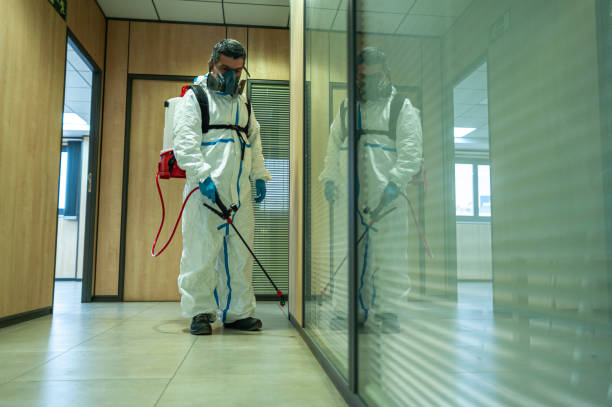
Preventing pest infestations is a critical aspect of sustainable agriculture. By incorporating farm sanitation and crop rotation into farming practices, farmers can effectively reduce the risk of pest outbreaks while maintaining the health of their crops. Below, we discuss effective strategies that integrate these two practices to prevent pests.
The Role of Farm Sanitation in Pest Prevention
- Cleaning up crop residues: After harvest, remove plant debris from fields as it can harbor overwintering pests or diseases.
- Managing weeds: Weeds can act as host plants for pests; regular weeding prevents this issue.
- Keeping storage areas clean: Ensure grain silos and storage facilities are free from spills or waste that could attract pests like rodents or insects.
- Disposing of infected plants: Remove and destroy any diseased or pest-infested plants promptly to prevent further spread.
By maintaining a hygienic environment on the farm, the likelihood of pest infestation can be significantly reduced.
Benefits of Crop Rotation in Pest Management
- Rotate non-related crops: Plant families such as brassicas (e.g., cabbage) should not follow each other consecutively since closely related crops often attract similar pests.
- Incorporate cover crops: Cover crops such as clover suppress weed growth and improve soil health while discouraging certain pests from thriving.
- Consider timing: Rotate shorter-growing-season crops with longer-season ones to interfere with pest reproduction cycles.
- Use trap cropping where applicable: Incorporating sacrificial trap crops within a rotation plan can lure pests away from main cash crops.
| Year | Crop Planted | Purpose |
| 1 | Corn | Main cash crop |
| 2 | Legumes (e.g., peas) | Fix nitrogen; break corn pest cycle |
| 3 | Wheat | Reduces soil-borne diseases associated with legumes |
| 4 | Brassicas | Interrupts cycles for wheat-specific pests |
Combining Sanitation and Rotation for Maximum Effectiveness
While both techniques are effective independently, combining farm sanitation with well-planned crop rotation enhances pest management outcomes by addressing multiple vulnerabilities within a system. Clean fields reduce baseline risks, while rotation ensures long-term disruption of recurring infestations.
For instance: 1. Removing crop debris after harvest deprives certain overwintering insects (e.g., corn borers) of shelter. 2. Rotating out corn the next year reduces larval survival rates since new host plants are unavailable.
Together, these methods create an inhospitable environment for persistent pest populations without relying exclusively on chemical interventions.
By integrating these strategies into routine farming operations, agricultural systems become more resilient against pests while promoting sustainability through minimal environmental impact.
Designing Pest-Resilient Environments Through Habitat Management Techniques
Creating pest-resilient environments is a cornerstone of sustainable pest management. By implementing habitat management techniques, property owners and farmers can reduce the prevalence of pests without relying heavily on chemical interventions. Habitat management focuses on modifying the environment to make it less attractive or suitable for pests while supporting beneficial organisms that naturally suppress pest populations.
Key Elements of Habitat Management
- Understanding Pest Behavior and Preferences
To design a pest-resilient environment, it is essential to understand the specific needs and behaviors of pests. This includes: - Identifying preferred food sources.
- Understanding breeding habits and conditions.
- Analyzing shelter preferences to determine potential problem areas.
- Encouraging Biodiversity
Diverse ecosystems are naturally resistant to pest outbreaks. By promoting biodiversity, you can create a balanced environment where pests are less likely to thrive. Methods include: - Planting a variety of crops or vegetation instead of monocultures.
- Incorporating native plants that attract predators like birds and beneficial insects.
- Creating microhabitats such as hedgerows or flowering strips to support pollinators and natural enemies.
- Eliminating Pest Sheltering Areas
Pests often thrive in environments with abundant hiding spots. Habitat management should focus on reducing these areas through: - Proper storage of trash and recyclable materials.
- Regular removal of weeds, debris, and standing water near structures or fields.
- Pruning overgrown vegetation, especially near buildings or crops.
Practical Techniques for Habitat Management
| Technique | Benefits | Recommended Practices |
| Crop Rotation | Disrupts life cycles of soil-borne pests | Rotate crops annually; alternate plant families. |
| Intercropping | Reduces spread of pests across crops | Mix rows of different plant species within fields. |
| Trap Crops | Attracts pests away from valuable crops | Plant trap crops around main fields or structures. |
| Mulching | Suppresses weeds, conserves soil moisture | Use organic mulches like straw or wood chips. |
| Installing Nesting Sites | Encourages natural predators such as birds | Build birdhouses in strategic locations. |
Advantages of Pest-Resilient Environments
- Reduced Dependence on Chemicals: Minimizes risks associated with pesticide use, including resistance buildup and environmental contamination.
- Improved Soil Health: Techniques like crop rotation and mulching enhance soil fertility while reducing erosion risks.
- Economic Benefits: Lower maintenance costs over time by decreasing reliance on external inputs such as pesticides or synthetic fertilizers.
- Increased Pollination: The introduction of pollinator-friendly plants boosts crop yields while supporting local ecosystems.
Challenges in Implementation
- Patience is required as results may not be immediate; monitoring efforts over multiple seasons is necessary.
- It requires education and training for individuals unfamiliar with ecological approaches to pest control.
- Initial costs for redesigning landscapes (e.g., creating buffer zones or planting diverse flora) may deter some landowners despite long-term savings.
By integrating habitat management into your strategy, you can achieve a resilient environment that promotes sustainable pest control while benefiting the surrounding ecosystem—a win-win approach for both agriculture and urban spaces alike.
- Termite Control for Luxury Homes in Deltona, FL: Protecting Lakefront Living from Silent Threats
- Effective Deltona Pest Control Tips to Prevent Your Home From Rodent Infestations
- Effective Deltona Pest Control Tips to Prevent Rodent Infestations and Protect Your Home
- Preparing Your Home for a Visit from an Exterminator Deltona FL
- Effective Tips to Prepare Your Home for Deltona Pest Control Treatment
- Effective Pest Identification: How an Exterminator in Deltona FL Can Help with 7 Common Household Invaders
- Effective Deltona Pest Control Tips to Protect Your Home from Common Household Pests
- Choosing the Best Deltona FL Pest Control Company for Effective Solutions