
Pests can disrupt the comfort, hygiene, and safety of your living space. Identifying the common pests that invade homes is the first step toward managing and eliminating them effectively. Below, we explore seven common household pests, their characteristics, and how to recognize their presence.
Ants are one of the most prevalent household pests due to their foraging behavior. They often enter homes searching for food or water.
Key Identification Signs:– Small trails of ants near sugary or greasy foods. – Tiny holes or cracks in walls or near foundations where they might be entering. – Visible ant nests outside, often appearing as small piles of soil.
Common Species:
| Type | Appearance | Behavior | |——–|————————|———————————–| | Odorous House Ant | Small, dark brown to black | Emits a rotten coconut smell when crushed | | Carpenter Ant | Larger, black/red-black | Tends to damage wood in walls and furniture |
Cockroaches thrive in warm, moist environments and are primarily nocturnal. They can spread diseases by contaminating food surfaces.
Key Identification Signs:– Droppings: Resemble coffee grounds or pepper flakes. – Egg cases (ootheca) found in hidden areas like cabinets. – Musty odor indicating a large infestation.
Rodents pose not only structural damage risks but also health concerns due to the bacteria they carry.
Key Identification Signs:– Gnaw marks on baseboards, wires, or packaging. – Small droppings near food storage areas. – Scratching sounds inside walls or ceilings at night.
Termites silently destroy wood structures over time, often going unnoticed until significant damage occurs.
Key Identification Signs:– Mud tubes on walls leading from the ground to wood structures. – Hollow-sounding wood when tapped. – Piles of discarded wings near windowsills or door frames.
Fleas primarily live off animals but can also infest homes if left unchecked.
Key Identification Signs:– Small red bites on ankles or lower legs that cause itching. – Pets excessively scratching themselves. – Fleas visible on carpets using a white sock test (walking across carpets with white socks).
While most spiders are harmless, some species like black widows require prompt attention due to their venomous bites.
Key Identification Signs:– Presence of webs in less-used areas like basements or attics. – Spotting spiders themselves; size and markings vary by species.
Silverfish prefer damp environments like bathrooms and basements. They are known for damaging paper goods and fabrics because of their diet preferences.
Key Identification Signs:– Silvery-gray insects with elongated bodies moving quickly across floors at night. – Damage such as irregular holes in paper products, books, wallpaper glue residue, or fabric items.
Effective Pest Prevention with a Trusted Deltona FL Pest Control Company
To minimize infestations: 1.Seal Entry Points:Inspect windows and doors for gaps; repair cracks with caulk where necessary. 2.Maintain Cleanliness:Store food securely in airtight containers and clean up crumbs immediately after meals. 3.Fix Moisture Issues:Repair leaky pipes that create favorable conditions for pests like termites and cockroaches. 4.Declutter Regularly:Remove unnecessary clutter that can provide hiding spots for pests such as spiders or rodents.
By understanding these pest types and their behaviors while following preventative measures outlined above—maintaining a safe pest-free home becomes achievable without complications.
Effective Deltona Pest Control: Identifying and Eliminating Cockroach Infestations
Cockroaches are among the most resilient and unwelcome pests that invade homes. Their presence not only signifies poor hygiene but also poses significant health risks. Understanding how to identify a cockroach infestation and address it effectively is crucial for maintaining a safe and clean living environment.
Effective Pest Removal in Deltona, FL: Signs of a Cockroach Infestation
Detecting a cockroach problem early can help prevent it from escalating.
- Droppings: Cockroaches leave behind small, dark, cylindrical droppings resembling coffee grounds or black pepper. You may find these near baseboards, in cabinets, or along floor corners.
- Egg Casings: Known as oothecae, cockroach egg casings are brownish and elongated with ridges along their surface. These can often be found in hidden corners or cracks.
- Musty Odor: A strong, unpleasant odor is emitted by large infestations of cockroaches. This smell becomes noticeable in enclosed spaces with heavy activity.
- Shed Skins: As cockroaches grow, they shed their outer skin numerous times during their lifecycle. These discarded skins are visible in areas where they thrive.
- Live Sightings: Spotting live cockroaches during the day often indicates an infestation since they are typically nocturnal creatures.
Common Areas Where Cockroaches Hide
Cockroaches prefer warm, moist environments close to food sources.
| Location | Reasons for Attraction |
| Kitchens | Access to food crumbs, spills, and moisture from sinks |
| Bathrooms | High humidity levels and water availability |
| Basements/Utility Rooms | Dark corners combined with warmth from appliances |
| Behind Appliances | Heat emitted by stoves, refrigerators, and microwaves |
| Cracks & Crevices | Tight spaces offer safety and easy access to resources |
Effective Strategies for Eliminating Cockroach Infestations
Maintaining cleanliness is key: – Clean up crumbs and spills immediately. – Store food in sealed containers. – Take out trash regularly and use bins with tight-fitting lids. – Avoid leaving dirty dishes overnight.
Prevent further infestations by sealing gaps: – Use caulk to fill cracks around windows, doors, pipes, and baseboards. – Install weather stripping around doors.
Bait stations attract cockroaches with toxins that spread within their colony: – Place bait near high-activity areas like under sinks or behind appliances.
Sticky traps are helpful for monitoring infestations: – Identify problem areas by placing traps in suspected hiding spots.
If baits aren’t enough: – Use gel-based insecticides or sprays specifically designed for roach control. – Follow label instructions carefully to ensure safety.
Severe infestations may require professional intervention: – Pest control experts have access to advanced tools and treatments.
Preventing Future Infestations
Preventative measures can save you time and money down the road: 1. Regularly inspect potential hiding spots for signs of activity. 2. Perform routine cleaning under appliances and furniture. 3. Fix leaky faucets or pipes promptly to eliminate water sources. 4. Encourage household members to practice good hygiene habits.
Eliminating a cockroach infestation takes diligence but is achievable with proper identification methods combined with effective treatment strategies tailored to your home’s unique needs.
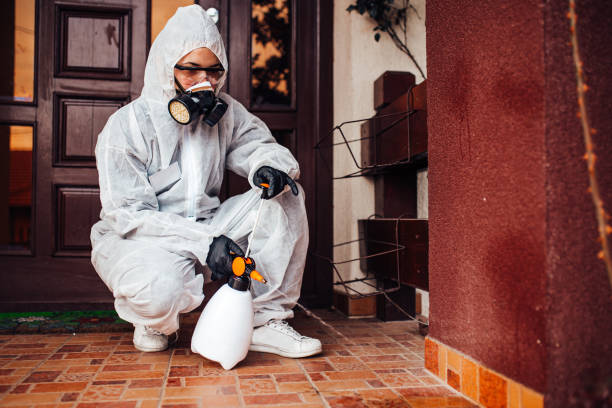
Protecting Your Home from Termites: Signs, Prevention, and Treatment
Termites pose a significant threat to homes, often causing extensive structural damage before being detected. Understanding the signs of an infestation, implementing preventive measures, and knowing the available treatment options can save homeowners from costly repairs. Below is a comprehensive guide to help protect your property from termites.
Detecting termites early is crucial in minimizing their damage.
- Discarded Wings: Flying termites, also known as swarmers, shed their wings after mating. Finding discarded wings near windowsills or doors is a strong sign of activity.
- Hollow-Sounding Wood: Tap on wooden structures in your home. If they sound hollow or papery, termites may have eaten the inside of the wood.
- Frass (Termite Droppings): Drywood termites leave behind small piles of wood-colored droppings near infested areas.
- Warped Floors or Doors: Warping can occur when termites damage the wood underneath these surfaces.
- Visible Damage: Bubbled paint, small holes in drywall, or damaged wood can indicate an infestation.
Preventive Measures for Termite Control
Preventing termite infestations involves reducing factors that attract them and taking proactive steps to protect wooden structures.
- Repair leaky pipes and faucets promptly.
- Use dehumidifiers in damp areas like basements.
- Avoid direct contact between soil and wooden parts of your home (e. g. , decks or siding).
- Fill cracks in foundations and walls with caulk.
- Install screens on vents to prevent termite entry.
- Schedule annual professional inspections to detect potential problems early.
- Opt for pressure-treated wood when building outdoor features like fences or decks.
Treatment Options for Termite Infestations
| Treatment Method | Description | Best For |
| Bait Systems | Uses bait stations containing growth inhibitors placed around the property to eliminate colonies over time. | Long-term colony control |
| Liquid Chemical Barriers | Creates a protective barrier in the soil around a structure by applying termiticides. | Preventing reinfestation & active elimination |
| Fumigation | A gas-based treatment that penetrates all areas of an infested structure. | Severe infestations with drywood species |
| Heat Treatment | Involves heating treated areas to temperatures lethal to termites. | Non-toxic treatment options |
Benefits of Professional Assistance
- Expertise in identifying specific termite species.
- Access to advanced tools and treatments unavailable for general use.
- Long-term monitoring plans for ongoing protection.
Protecting your home from termites requires vigilance combined with effective prevention strategies and timely action when signs appear. By staying informed about termite activity and recognizing warning signs early, you can maintain your property’s structural integrity while avoiding costly repairs caused by these destructive pests.
Protecting Your Home from Termites: Signs, Prevention, and Treatment
Termites are one of the most destructive pests that can invade your home. These silent destroyers are capable of causing extensive damage to wooden structures, often going unnoticed until the damage becomes severe.
Identifying termites early is crucial to minimizing damage.
- Discarded Wings: After swarming, reproductive termites shed their wings.
- Frass (Termite Droppings): Drywood termites leave behind small piles of pellet-shaped droppings near infested areas.
- Bubbling or Warped Paint: Termites inside walls may cause paint to bubble or warp as they eat through wood.
Preventing Termite Infestations
Prevention is key when it comes to protecting your home from termites.
- Fix leaking pipes, gutters, and faucets promptly.
- Ensure proper drainage around the foundation by installing downspouts and splash blocks.
- Avoid direct contact between soil and wood structures like decks or fences. Use concrete bases as barriers.
- Fill cracks in your home’s foundation and exterior walls with caulk or sealant.
By integrating these practices into your home maintenance routine, you can significantly lower the chances of an infestation.
Treatment Options for Termite Infestations
| Method | Description | Effectiveness |
| Liquid Soil Treatments | Application of termiticide around the perimeter forms a protective barrier against termites. | High |
| Baiting Systems | Strategically placed bait stations lure termites; they consume bait laced with insecticide. | Moderate |
| Fumigation for Drywood Termites | A gas fumigant is used to target drywood termite colonies within a structure entirely. | High |
| Orange Oil Treatments | A natural alternative; works best for localized infestations in exposed wood areas only. | Low/Moderate |
Each method has its pros and cons; consult with pest control professionals to determine which approach suits your situation best.
Taking steps to identify and address termite problems proactively can save homeowners from costly repairs while ensuring peace of mind regarding their property’s structural integrity. Leveraging preventive strategies alongside timely intervention can safeguard homes against these destructive pests effectively over time.
How to Detect and Eliminate Fleas in Your Living Space
Fleas are small, wingless parasites that can invade your home and cause significant discomfort for both humans and pets. These pests feed on blood and can quickly multiply if left unchecked. Detecting and eliminating fleas requires a thorough understanding of their behavior, life cycle, and eradication methods. Below is a guide to help you identify fleas in your living space and effectively remove them.
Signs of a Flea Infestation
Detecting fleas early is crucial for effective control.
- Scratching Pets:If your pets are frequently scratching or biting themselves, this could be an indicator of flea activity. Check areas like the neck, belly, and tail base where fleas commonly gather.
- Flea Dirt:Flea droppings, often referred to as “flea dirt,” look like small black specks on pet fur or bedding. To confirm it’s flea dirt, place it on a damp paper towel; if it turns reddish-brown, it’s from digested blood.
- Bites on Humans:Flea bites appear as small red bumps often clustered around ankles or lower legs. They may also be itchy or swollen.
- Live Fleas:These pests are tiny (about 1-3 mm), reddish-brown in color, and move quickly through fur or carpets when disturbed.
- Eggs or Larvae:Look for white eggs (about the size of a grain of salt) or worm-like larvae in pet bedding or carpeting.
Steps to Eliminate Fleas from Your Home
- Bathe pets using vet-approved flea shampoos.
- Apply topical treatments or oral medications prescribed by a veterinarian.
- Use flea collars as a preventive measure.
- Clean Your Home Thoroughly:
Regular cleaning can disrupt the flea life cycle: - Wash all pet bedding, toys, blankets, and similar items in hot water.
- Vacuum carpets, rugs, furniture crevices, and floors daily to remove live fleas and eggs.
- Empty vacuum bags immediately after use to prevent reinfestation.
- Use Insecticides Safely:
Consider using sprays or powders labeled specifically for flea control: - Focus on high-risk areas such as carpets, upholstery edges, cracks in floors, and pet sleeping areas.
- Choose insecticides with Insect Growth Regulators (IGRs) which prevent immature fleas from developing into adults.
- Outdoor Measures:
If you have an outdoor area where pets spend time: - Mow lawns regularly to reduce dense vegetation that harbors fleas.
- Treat shady spots with outdoor flea sprays designed for yard use.
- Monitor Progress:
After treating your home and pets: - Place sticky traps near problem areas to monitor remaining activity.
- Reinspect carpets and upholstery periodically for signs of new infestations.
The Life Cycle of Fleas: Why Persistence Matters
| Stage | Description | Duration |
| Eggs | Laid by adult fleas; white & oval-shaped | 2-12 days |
| Larvae | Worm-like stage; feeds on organic matter | 4-18 days |
| Pupae | Encased larvae awaiting favorable hosts | Days-weeks** |
| Adults | Blood-feeding stage capable of reproduction | Up to 100 days |
Note: Pupae can remain dormant until they sense vibrations (e. g. , walking), making consistent cleaning critical even weeks after initial treatment.
Preventing Future Infestations
Prevention is key when dealing with persistent pests like fleas: – Maintain regular vet checkups for pets to ensure proper preventive care. – Groom pets frequently with fine-toothed combs designed for detecting fleas. – Clean living spaces weekly—vacuum floors thoroughly even during non-infestation periods.
By staying proactive with these measures alongside targeted elimination techniques outlined above, you can keep your home free from pesky fleas year-round while ensuring the well-being of everyone within it—including furry companions.
How to Detect and Eliminate Fleas in Your Living Space
Fleas are persistent pests that can infest your home, often brought in by pets or through outdoor exposure. Their presence can lead to itchy bites, allergic reactions, and discomfort for both humans and animals. Understanding how to detect and eliminate fleas is crucial for maintaining a pest-free living space.
Signs of a Flea Infestation
Detecting fleas early can save you from larger infestations.
- One of the first indicators of a flea problem is excessive scratching or grooming by pets. Fleas feed on blood, causing irritation to your pet’s skin.
- Look for redness, scabs, or hair loss on your pet’s body, especially around the neck and tail area.
- Flea dirt appears as small black specks resembling ground pepper on your pet’s fur or bedding.
- To confirm it is flea dirt, place the specks on a damp paper towel—if they turn reddish-brown (due to digested blood), it’s evidence of flea activity.
- Flea bites often appear as small red bumps clustered around ankles, feet, or lower legs. These bites may itch intensely.
- Adult fleas are tiny (about 2-3mm), reddish-brown insects that jump rapidly when disturbed.
- They may be spotted in carpets, pet beds, rugs, or upholstered furniture.
- Flea eggs are white and oval-shaped but hard to spot with the naked eye.
- You may notice larvae crawling in dark areas like under furniture or between carpet fibers.
Steps to Eliminate Fleas
- Consult your veterinarian for appropriate treatments such as topical solutions, oral medications, or flea collars.
- Bathe pets using veterinarian-recommended flea shampoos.
- Wash all pet bedding, blankets, and fabrics in hot water and dry them at high heat to kill any fleas or eggs.
- Vacuum carpets, rugs, furniture crevices, baseboards, and other areas where fleas might hide daily.Area | Frequency | |————————–|—————| | Pet Bedding | Daily | | Carpets/Rugs | Every 1-2 Days| | Upholstery/Crevices | Weekly |
- Apply insect growth regulators (IGRs) in your home to disrupt the flea lifecycle by preventing eggs from hatching into adults.
- Consider safe pesticides labeled for household use but follow instructions carefully.
- Trim grass and plants near entry points where fleas might breed.
- Treat shady areas where pets rest with approved outdoor insecticides if necessary.
- Monitor ProgressEnsure consistent follow-up every few weeks since dormant eggs may hatch later.
Preventing Future Infestations
After eliminating an infestation, it’s important to protect your home from future outbreaks:
– Keep pets treated with year-round preventatives prescribed by a vet. – Frequently clean areas where pets frequent (bedding and play spaces). – Inspect secondhand furniture before introducing it into your home. – Seal cracks in floors or walls where fleas could hide during an infestation cycle.
By diligently addressing all stages of a flea’s lifecycle alongside prevention efforts, you can effectively safeguard your living space against these pesky intruders.
7 Common Pests Found in Homes and How to Identify Them Effectively
Pests can be a persistent problem in households, causing both health risks and property damage. Identifying these pests accurately is the first step toward effective control and prevention. Below is an overview of 7 common household pests and tips for recognizing them.
Identification:
– Appearance:Typically brown or reddish-brown, ranging from ½ inch to 2 inches in length, with long antennae and spiny legs.
– Signs of Infestation:– Droppings resembling coffee grounds or black pepper. – Unpleasant, musty odor caused by secretions. – Egg cases (oothecae) near food storage areas or under sinks.
Common Hiding Spots:Kitchens, bathrooms, basements, and any areas with high humidity or access to food.
Identification:
– Appearance:Small insects varying in color (black, brown, red). Sizes range between 1/16 inch to ½ inch depending on the species.Signs of Infestation:– Trails of ants moving toward food sources. – Small mounds of dirt near foundations or cracks (indicating nesting sites).
Common Hiding Spots:Kitchen counters, along baseboards, inside walls, and near sugary or greasy foods.
Identification:
– Appearance:Pale-colored insects resembling ants but with straight antennae and equal-length wings when swarming.Signs of Infestation:– Mud tubes on walls or wooden surfaces. – Hollow-sounding wood when tapped. – Discarded wings near windowsills or doors.
Common Hiding Spots:Wooden structures like floors, walls, furniture, and crawlspaces.
Identification:
– Appearance:Tiny (around 1/12 inch), reddish-brown insects with slim bodies adapted for jumping.Signs of Infestation:– Bites around ankles often leaving itchy red marks. – Pets excessively scratching or biting their fur.
Common Hiding Spots:Pet bedding, carpets, upholstered furniture.
Identification:
– Appearance:Eight-legged arachnids varying in size (¼ inch to over an inch) and color (often brown/black). Some may have distinctive markings like the hourglass shape on black widows.Signs of Infestation:– Webs in corners of ceilings or undisturbed areas like basements or attics.
Common Hiding Spots:Dark corners indoors as well as garages and storage rooms.
Identification:
– Appearance:– Mice: Small body (2–4 inches), gray/brown coloring with long tails. – Rats: Larger body (up to a foot long including tail), coarse fur texture.Signs of Infestation:– Droppings resembling small pellets or larger oblong shapes for rats. – Gnaw marks on wires, wood, or food packaging. – Scratching noises coming from walls at night.
Common Hiding Spots:Behind appliances, inside wall cavities, basements, kitchens.
Identification:
– Appearance:Wingless insects shaped like teardrops; silvery-gray in color with bristle-like appendages at the rear end.Signs of Infestation:– Yellow stains on paper materials such as books. – Tiny holes chewed through cardboard boxes or fabric items.
Common Hiding Spots:Bathrooms, basements—anywhere dark with high humidity levels.
Table Summary
| Pest | Key Signs | Common Areas Found |
| Cockroaches | Droppings & musty odor | Kitchens & bathrooms |
| Ants | Food trails & mounds | Kitchens & along walls |
| Termites | Mud tubes & hollow wood | Wooden furniture/walls |
| Fleas | Bites on skin & pet discomfort | Pet bedding & carpets |
| Spiders | Webs | Corners/basements |
| Rodents | Droppings & gnaw marks | Wall cavities/kitchens |
| Silverfish | Stains/holes on paper materials | Bathrooms/basements |
By understanding these pests’ behaviors and habitats within your home environment, you can take proactive measures to identify their presence before they become unmanageable problems. Early detection ensures that control methods are both effective and efficient while minimizing damage to your property.
Silverfish Prevention and Control: Keeping Your Home Pest-Free
Silverfish are small, wingless insects that are known for their slippery, fast movements and their destructive feeding habits. These nocturnal pests thrive in damp, dark environments and can be a nuisance if left unchecked. Proper prevention and control measures can help keep your home free of silverfish infestations.
Understanding Silverfish Behavior
- Appearance: Silverfish are typically 12–19 mm long, with a silvery-gray, metallic sheen. They have an elongated body shape that tapers toward the rear.
- Habitat: These insects prefer high-humidity areas such as basements, bathrooms, kitchens, and attics.
- Diet: Silverfish feed on starchy substances and proteins such as paper, glue from book bindings, wallpaper paste, cereals, fabrics (cotton or silk), and even dead insects.
Key Signs of a Silverfish Infestation
- Small holes or irregular feeding marks on books, wallpaper, or clothing.
- Molted skin casings found around damp spaces or in dark corners.
- Tiny black specks resembling pepper near infested areas.
- Spotting silverfish scurrying along walls or floors during nighttime hours.
Preventing Silverfish Infestations
- Use dehumidifiers to maintain an indoor humidity level below 50%.
- Ensure proper ventilation in bathrooms, kitchens, basements, and laundry rooms.
- Inspect windowsills and door frames for cracks or gaps that could allow silverfish to enter.
- Apply caulking to seal potential entryways around plumbing fixtures.
- Store dry foods (cereal, flour) in airtight containers.
- Avoid leaving piles of paper or cardboard unattended for extended periods.
- Keep closets organized by storing clothing in sealed bins.
- Regularly remove old newspapers and unused files.
- Vacuum frequently around baseboards where dust accumulates.
- Clean up crumbs or spilled food promptly.
Controlling an Existing Infestation
| Method | Description |
| Diatomaceous Earth (DE) | A natural powder that dehydrates silverfish when they come into contact with it. Sprinkle DE along baseboards and crevices where activity is observed. |
| Traps | Place sticky glue traps near suspected hiding spots to capture silverfish overnight. |
| *Chemical Control Options | Use pesticide sprays labeled specifically for crawling insects but apply cautiously—especially if children or pets are present.* |
For severe infestations that cannot be managed through DIY methods alone consider contacting pest-control professionals who specialize environmentally friendly methods .
- Termite Control for Luxury Homes in Deltona, FL: Protecting Lakefront Living from Silent Threats
- Effective Deltona Pest Control Tips to Prevent Your Home From Rodent Infestations
- Effective Deltona Pest Control Tips to Prevent Rodent Infestations and Protect Your Home
- Preparing Your Home for a Visit from an Exterminator Deltona FL
- Effective Tips to Prepare Your Home for Deltona Pest Control Treatment
- Effective Pest Identification: How an Exterminator in Deltona FL Can Help with 7 Common Household Invaders
- Effective Deltona Pest Control Tips to Protect Your Home from Common Household Pests
- Choosing the Best Deltona FL Pest Control Company for Effective Solutions