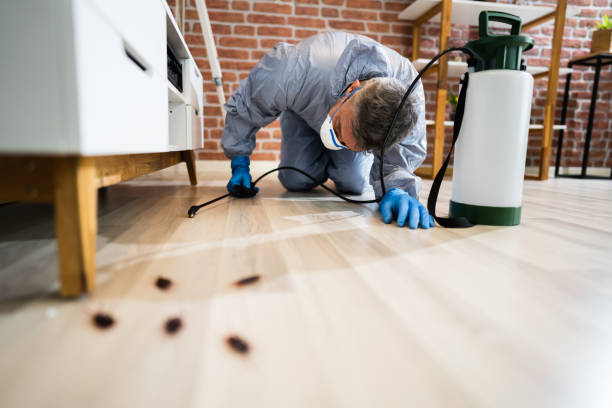
Preparing your home before a pest control treatment is crucial to ensure its effectiveness and long-term success. Proper preparation minimizes interference during the process and provides better results. Below are steps and practical tips to help you prepare for professional pest control.
1. Clean and Declutter Your Home
A tidy and clutter-free space allows pest control professionals to access all areas of your home, ensuring no spots go untreated.
- Declutter: Remove any items that block baseboards, vents, or other critical areas.
- Vacuum Thoroughly: Vacuum carpets, rugs, cracks, and crevices to eliminate food crumbs or pest droppings.
- Wipe Surfaces: Clean countertops, shelves, and floors to remove residue that could attract pests.
- Organize Storage Spaces: Arrange closets, cabinets, and under-sink areas for easier inspection.
2. Store Food Safely
Pests are frequently drawn to food sources. Proper storage prevents contamination during treatment.
- Place all pantry items (e.g., cereals, snacks) in sealed plastic or glass containers.
- Remove pet food or store it in airtight containers.
- Refrigerate perishable items that might otherwise remain exposed in the kitchen.
| Food Item | Storage Recommendation |
| Dry Goods | Airtight plastic containers |
| Fruits/Vegetables | Refrigerate or cover tightly |
| Pet Food | Seal in durable containers |
3. Protect Personal Belongings
Keep your personal items safe from chemical exposure during treatment.
- Cover furniture with plastic sheets or remove it from treatment areas when possible.
- Store clothing, bedding, and children’s toys in sealed bags or move them into rooms not being treated.
- Wrap electronics like TVs and computers if they’re close to affected spaces.
4. Address Plumbing Leaks
- Check under sinks for leaks around pipes.
- Repair dripping faucets promptly.
- Inspect outdoor hoses or irrigation systems for leaks that may attract pests near entry points.
5. Create Access Points for Professionals
- Unlock all doors leading to storage spaces (e.g., basement, attic).
- Move heavy furniture away from walls where pests might hide.
- Provide clear pathways by removing obstructions near windowsills or vents.
6. Communicate Specific Concerns
- Inform them about problem areas where you’ve noticed activity (e.g., droppings or nests).
- Highlight any allergies or sensitivities within your household so the appropriate treatments are used.
- Ask questions about preparation protocols specific to your home’s needs.
Final Checklist Before Treatment
| Task | Completed? |
| Decluttered key areas | [ ] |
| Stored food securely | [ ] |
| Protected personal belongings | [ ] |
| Fixed plumbing leaks | [ ] |
| Communicated concerns | [ ] |
By following these steps diligently, you set the stage for an effective pest control session while ensuring safety for you and your family during the process.
Identifying Signs of Pest Infestation with Deltona Pest Control Experts
Identifying the signs of a pest infestation early is critical to mitigating potential damage and safeguarding your home. Pests can cause structural harm, spread diseases, and create an unhealthy living environment. Below, we’ll explore some of the most common signs that indicate pests may have invaded your home.
Identifying Physical Evidence of Pests with a Deltona FL Pest Control Company
- Droppings or feces: Rodents, cockroaches, and other pests often leave droppings in areas where they are active. These can vary in size and shape depending on the pest.
- Rodent droppings are small, dark pellets.
- Cockroach droppings resemble coffee grounds or black pepper.
- Shed skin or body parts: Insects like cockroaches or bed bugs shed their exoskeletons as they grow.
- Dead insects: Finding dead pests near windowsills, basements, or other areas could hint at a larger problem.
Identifying Unusual Noises and Smells? Expert Pest Removal Deltona, FL Can Help
- Noises: Scratching, scurrying, or gnawing sounds in walls, ceilings, or attics can point to rodents such as rats or mice.
- Unpleasant odors: Certain infestations emit distinct smells:
- A musty odor could signal bed bugs.
- A strong ammonia-like smell might indicate a rodent issue.
Structural Damage
- Gnaw marks: Rodents chew on wood, wires, and other materials to keep their teeth from growing too long.
- Holes in walls or floors: Small holes near baseboards or behind furniture may point to rodent activity.
- Damaged wood: Termites eat wood from the inside out. Look for hollow-sounding wood or visible tunneling patterns known as “galleries.”
| Pest Type | Typical Damage Caused |
| Termites | Hollowed-out wood structures |
| Rodents | Chewed electrical wires; gnawed furniture |
| Cockroaches | Contaminated food; damaged books/paper |
Changes in Your Environment
- Holes in stored food packaging suggest pantry pests like moths or beetles.
- Frayed fabrics may indicate carpet beetles.
- Rodents often build nests using shredded paper, insulation, or fabric scraps.
Increase in Pest Activity
- Seeing insects during daytime hours (especially nocturnal ones like cockroaches) suggests a severe infestation.
- Witnessing multiple rodents during daylight often indicates overcrowding within their nests.
Prevention Steps Once Signs Are Detected
If you notice any of these signs in your home: 1. Identify the type of pest for targeted action steps. 2. Seal entry points such as cracks around doors/windows or gaps around pipes. 3. Remove sources of food and water by cleaning spills promptly and maintaining proper storage practices.
Detecting these common signs early helps in addressing infestations before they escalate into larger problems that require extensive treatment efforts.
Understanding the Most Common Signs of Pest Infestation in Your Home
Identifying the signs of a pest infestation early is crucial for maintaining a clean, healthy, and safe living environment. Pests can cause damage to your property and pose health risks if left unaddressed. By understanding the most common signs of pest activity, homeowners can take prompt action to mitigate potential problems.
Physical Evidence Left Behind by Pests
- Droppings:
Rodents, cockroaches, and other pests commonly leave droppings in areas where they are active. These droppings can vary in size and shape depending on the type of pest but are often small and pellet-like. - Shed Skin or Body Parts:
Insects such as bed bugs or cockroaches shed their outer shells as they grow. Finding these remnants near furniture, baseboards, or cracks is an indicator of an infestation. - Gnaw Marks or Chewed Materials:
Rodents such as mice and rats tend to gnaw on wood, wires, and even food packaging. Look for bite marks or frayed wiring in areas like attics, basements, or cupboards.
Unusual Sounds
- Scratching noises from walls or ceilings (indicative of mice or rats).
- Buzzing sounds from flying insects like wasps or flies.
- Skittering movements within the attic or crawl spaces.
If these noises persist without explanation, it may signal an active infestation.
Foul Odors
| Pest Type | Associated Odor |
| Rodents | Musty odor caused by urine buildup |
| Bed Bugs | Sweet yet unpleasant “musty” smell |
| Cockroaches | Oily odor |
If you notice persistent foul odors in specific areas and cannot trace their source easily, it’s worth investigating further.
Structural Damage
- Termites: Look for hollowed-out wood structures, mud tubes along walls, or discarded wings near windowsills.
- Carpenter Ants: Check wooden furniture for small piles of sawdust-like material called frass.
- Rodents: Damaged insulation within walls and bite marks on door frames may suggest nesting activity.
Visible Presence
- Small insects crawling around sinks (e.g., ants).
- Sightings of spiders building webs in corners.
- Rodents scurrying across floors late at night.
- Sudden appearances of bees near rooflines signaling hive activity.
If pests are visible during daytime hours—especially nocturnal ones like cockroaches—it may indicate a severe infestation requiring immediate attention.
Why Early Detection Matters
Addressing infestations promptly prevents further damage to your home while protecting occupants from potential health risks such as allergies (from insect debris) or diseases carried by rodents (e.g., salmonella). Regular monitoring combined with professional pest control services ensures any issues are resolved before they escalate into costly problems.
By recognizing these common warning signs early on and taking appropriate steps toward treatment and prevention efforts tailored specifically toward treating those invaders effectively reduces impacts long-term overall household health protection-maintenance sustainability longer term
The Importance of Professional Pest Control Services for a Safe Living Environment
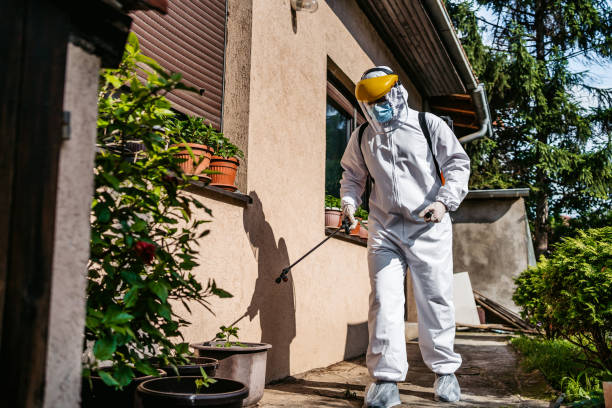
Pests in your home can pose serious health risks, damage property, and disrupt your daily life. While do-it-yourself (DIY) pest control measures might seem like a cost-effective solution, they often provide only temporary relief and can fail to address the root problem. This is where professional pest control services come into play. Engaging experts ensures long-term safety and peace of mind while creating a healthier living environment for you and your family.
Why Choose Professional Pest Control?
- Comprehensive Assessments: Trained pest specialists conduct thorough inspections to identify the source of the infestation, entry points, and conducive conditions that allow pests to thrive.
- Customized Solutions: No two homes or infestations are alike. Pest control professionals develop tailored treatment plans based on the specific type of pest and severity of infestation.
- Safe Use of Chemicals: Misuse of pesticides or chemicals can harm people, pets, and the environment. Experts use eco-conscious methods that prioritize safety while achieving effective results.
- Long-Term Prevention: Professional services not only address existing infestations but also implement measures to minimize the risk of future issues.
Common Risks Associated with DIY Pest Control
| Risk | Explanation |
| Incomplete Eradication | DIY methods may fail to target all pests or their nests, leading to recurring problems. |
| Health Hazards | Improper handling of chemicals can cause exposure risks for household members. |
| Property Damage | Incorrect applications might result in further damage to furniture or infrastructure. |
| Hidden Costs | Repeated trial-and-error efforts often result in higher cumulative expenses. |
Benefits for Your Living Environment
- Reducing Health Risks: Pests such as rodents, cockroaches, and bedbugs spread diseases and allergens that affect respiratory health. Proper removal mitigates these hazards.
- Protecting Property: Termites, carpenter ants, and other destructive pests can compromise structural integrity over time. Preventative treatments help reduce costly repairs.
- Improving Hygiene Standards: Many pests are attracted by food debris or improper waste disposal. Thorough pest management ensures improved cleanliness across all areas of your home.
When Should You Call a Professional?
- Unexplained property damage (e.g., chewed wires or gnawed furniture).
- Droppings or urine stains near food storage areas.
- Unusual sounds such as scratching behind walls or ceilings at night.
- Evidence of nesting material like shredded paper or fabric.
- Bite marks on skin (common with bedbug infestations).
By investing in professional treatment early on, you safeguard both your well-being and financial interests over time without unnecessary complications.
A Comprehensive Guide to Choosing the Right Pest Control Solution for Your Needs
Choosing the right pest control solution is crucial for maintaining a safe and healthy home environment. With so many options available, understanding the various approaches and factors involved can help you make an informed decision. This guide will outline key considerations, types of pest control methods, and tips to select the best option tailored to your specific needs.
Key Factors to Consider
- Type of Pest: Different pests require different treatment methods. For instance, termites may need termiticides or bait systems, while rodents might require traps or rodenticide formulations.
- Extent of Infestation: The severity of the infestation will determine whether a DIY approach suffices or professional intervention is required.
- Safety Concerns: Some chemical treatments may not be safe around children, pets, or individuals with allergies. Look for eco-friendly or low-toxicity options if safety is a priority.
- Budget: Solutions range from cost-effective do-it-yourself (DIY) treatments to comprehensive professional services that may involve ongoing maintenance plans.
- Effectiveness: Research the track record of various products and services to ensure they deliver long-term results rather than just temporary fixes.
Types of Pest Control Methods
- Involves pesticides designed to kill specific pests (e.g., insecticides for ants or cockroaches). These are highly effective but often come with environmental and health considerations.
- Examples include sprays, foggers, and bait systems.
- Utilizes natural predators or pathogens that target pests without harming humans or pets.
- For example, introducing beneficial nematodes in gardens to combat soil-dwelling insects like grubs.
- Physical barriers or traps designed to eliminate pests from your property.
- Examples include snap traps for rodents, sticky traps for insects, and mesh screens on windows to keep bugs out.
- Combines multiple approaches (biological, mechanical, chemical) aligned with monitoring and prevention strategies.
- Focuses on minimizing environmental impact while achieving long-term results.
- DIY Solutions vs Professional Services:
| DIY Solutions | Professional Services | |—————————————–|———————————————| | Ideal for minor infestations | Suitable for severe infestations | | Lower upfront cost | May have higher initial expense | | Limited access to specialized products | Uses advanced tools & industry-grade products| | Requires time & effort | Saves time & ensures thorough application |
Tips for Selecting the Best Solution
- Identify the type(s) of pests affecting your property through observation or professional inspection.
- Research local pest control companies with credible reviews and certifications if opting for professional help.
- Ask about guarantees provided by service providers—reputable companies often offer warranties on their treatments.
- Opt for eco-friendly practices whenever possible by selecting non-toxic alternatives or IPM-based services.
- Regularly consult experts if dealing with recurring infestations to address underlying issues like structural vulnerabilities.
By carefully evaluating your specific requirements and exploring available solutions through this comprehensive approach, you can safeguard your home effectively against unwanted pests while ensuring safety and sustainability in your living space.
The Role of Regular Inspections in Preventing Severe Pest Problems at Home
Keeping your home pest-free requires proactive measures, with regular inspections playing a crucial role in early detection and prevention of infestations. Routine checks can save you from costly damage, health risks, and the stress of dealing with a severe pest problem. Below is a detailed guide on why inspections matter, what to look for, and how to implement them effectively.
Why Regular Inspections Are Essential
- Early Detection:
Pests multiply quickly. Identifying issues early allows you to address small problems before they escalate into large infestations. - Prevent Structural Damage:
Termites, carpenter ants, and other destructive pests can cause significant structural harm if left undetected. Inspections ensure your property remains intact. - Health Protection:
Rodents and insects carry pathogens that can pose serious health threats to your family. Routine checks help prevent the spread of diseases like salmonella or hantavirus. - Cost Savings:
Detecting pests early reduces the need for extensive extermination services or repairs caused by prolonged damage.
Areas to Inspect Regularly
To ensure thorough inspections, focus on both interior and exterior areas of your home where pests are most likely to reside or enter.
| Area | Common Pests Found | Signs to Look For |
| Kitchen | Ants, cockroaches, rodents | Food crumbs, droppings, grease trails |
| Basement/Crawl Space | Spiders, rodents, termites | Webs, wood damage, droppings |
| Attic | Rodents, bats | Scratching noises, nests |
| Windows/Doors | Flies, mosquitoes | Gaps in seals/weather stripping |
| Garden/Landscape | Ticks, wasps | Overgrown vegetation/hives |
Best Practices for Conducting Inspections
- Schedule Routine Checks: Perform inspections at least once every three months or more frequently during pest-prone seasons (spring/summer).
- Use Proper Tools: Equip yourself with a flashlight for dark spaces and magnifiers for spotting small signs like droppings or eggshells.
- Focus on Entry Points: Check doors, windowsills, vents, pipes, and utility openings where pests might gain access.
- Monitor High-Risk Zones: Pay special attention to damp areas like bathrooms or basements since moisture attracts many types of pests.
- Look for Subtle Signs: Listen for noises such as scratching within walls and check for unusual odors that might indicate an infestation.
When to Call a Professional
While regular self-inspection is beneficial for preventing minor issues: – Persistent signs of activity (e.g., recurring droppings) indicate the need for expert assistance. – If you’re unable to identify the source of infestation or suspect structural pests like termites that require specialized treatments. – A professional inspection offers both peace of mind and access to targeted solutions tailored to your home’s specific needs.
By incorporating regular inspections into your home maintenance routine alongside professional oversight when necessary, you can effectively mitigate risks associated with severe infestations while maintaining a safe living environment.
How to Keep Your Home Pest-Free with Effective Prevention Strategies
Preventing pests from invading your home is not only about maintaining comfort but also protecting your health and property. By adopting effective prevention strategies, you can significantly reduce the risk of pest infestations. Below are practical tips and measures to keep your home pest-free.
Maintain Cleanliness and Hygiene
- Wipe down countertops regularly to eliminate crumbs or spills.
- Store food in airtight containers to minimize access for pests like ants, cockroaches, or rodents.
- Take out the trash daily and use sealed garbage bins.
- Fix leaky faucets and ensure proper drainage to eliminate damp conditions that attract pests like cockroaches or silverfish.
- Clean drains periodically to remove accumulated debris.
- Dispose of unused cardboard boxes, newspapers, or items that create hiding spots for pests.
Seal Entry Points
- Inspect windows and doors for gaps; install weather stripping if necessary.
- Seal cracks in walls or flooring using caulk or other appropriate materials.
- Install mesh screens on vents, chimneys, and windows to block entry without compromising ventilation.
Manage Outdoor Spaces Effectively
- Trim overgrown shrubs or tree branches near windows and roofs since these act as bridges for insects or rodents.
- Keep firewood at least 20 feet away from your home as it may harbor termites or carpenter ants.
- Remove stagnant water from gutters, flowerpots, or outdoor containers to prevent mosquitoes from breeding.
Proper Food Storage Practices
| Food Type | Storage Tip |
| Dry goods (e.g., cereal) | Use sealed plastic containers instead of open packages |
| Perishables | Store in refrigerators promptly |
| Pet food | Avoid leaving it exposed after feeding |
Regular Inspections
- Check hidden areas such as under sinks or behind furniture for droppings, chew marks, or nesting materials.
- Conduct routine inspections around your property’s foundation for any new cracks that could allow intrusion.
Avoid Attracting Pests Indoors
- Avoid leaving dishes unwashed overnight.
- Place door sweeps under exterior doors to block crawling insects.
- Refrain from feeding birds near windowsills as it may attract rodents in search of stray seeds.
By consistently applying these strategies throughout your home—both indoors and outdoors—you create an environment that is less inviting to common household pests while safeguarding your living space from potential invasions. Prevention remains a more cost-effective solution compared to addressing a full-blown infestation later on.
- Termite Control for Luxury Homes in Deltona, FL: Protecting Lakefront Living from Silent Threats
- Effective Deltona Pest Control Tips to Prevent Your Home From Rodent Infestations
- Effective Deltona Pest Control Tips to Prevent Rodent Infestations and Protect Your Home
- Preparing Your Home for a Visit from an Exterminator Deltona FL
- Effective Tips to Prepare Your Home for Deltona Pest Control Treatment
- Effective Pest Identification: How an Exterminator in Deltona FL Can Help with 7 Common Household Invaders
- Effective Deltona Pest Control Tips to Protect Your Home from Common Household Pests
- Choosing the Best Deltona FL Pest Control Company for Effective Solutions